Residential Spray Foam Insulation in Helena, MT & surrounding areas
Residential spray foam insulation is one of the most effective ways to improve energy efficiency, indoor comfort, and structural durability in homes throughout Helena, MT & surrounding areas. Spray Smart Insulation provides professional installation tailored to the climate conditions and construction styles common in the area. Whether insulating a new build, upgrading an older property, or addressing problem areas such as attics and crawl spaces, spray foam creates a continuous barrier that traditional materials cannot match.
Unlike fiberglass or cellulose, spray foam expands upon application, filling gaps, cracks, and irregular cavities. This expansion allows it to function as both insulation and air sealant in a single system. Homes in Montana experience wide temperature swings, making airtight thermal protection especially important for maintaining stable indoor environments year-round.
How Spray Foam Insulation Works in Residential Structures
Spray foam insulation is applied as a liquid that quickly expands into a dense foam, adhering to wood, masonry, metal, and other building materials. Once cured, it forms a seamless layer that resists air movement, moisture infiltration, and heat transfer. This process eliminates many of the weak points commonly found with batt or blown-in insulation, particularly around framing joints, wiring penetrations, and uneven surfaces.
Open-Cell Spray Foam
Open-cell foam has a softer structure and is commonly used in interior applications such as wall cavities and sound control areas. It expands significantly during installation, allowing it to fill tight spaces thoroughly while maintaining a degree of flexibility.
Closed-Cell Spray Foam
Closed-cell foam is denser and provides a higher insulation value per inch. It also adds structural rigidity and acts as a vapor barrier, making it suitable for exterior walls, basements, crawl spaces, and areas exposed to moisture or extreme temperature differences.
Both types can be used strategically within the same home, depending on performance requirements and building design.
Areas of the Home That Benefit Most
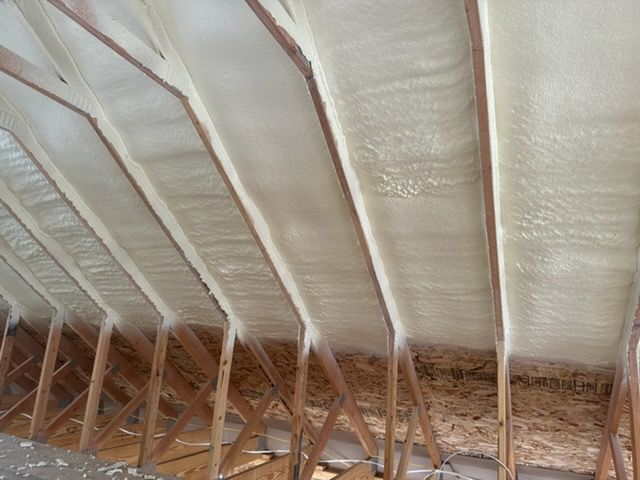
Spray foam insulation can be installed in nearly every part of a residential structure, but certain areas yield the most noticeable improvements in comfort and efficiency. Attics are a primary focus because they are major sources of heat gain in summer and heat loss in winter. Applying foam along the roof deck can convert a vented attic into a conditioned space, reducing strain on HVAC systems. Exterior walls also benefit from spray foam because it eliminates drafts caused by gaps between studs and sheathing. In older homes around Helena, MT & surrounding areas, wall cavities may contain deteriorated insulation or none at all, making foam retrofits especially valuable. Basements and crawl spaces are another critical zone. Moisture intrusion and cold floors often originate from these lower levels. Closed-cell foam provides insulation while also reducing water vapor movement, helping maintain healthier indoor conditions.
Garages and Attached Structures
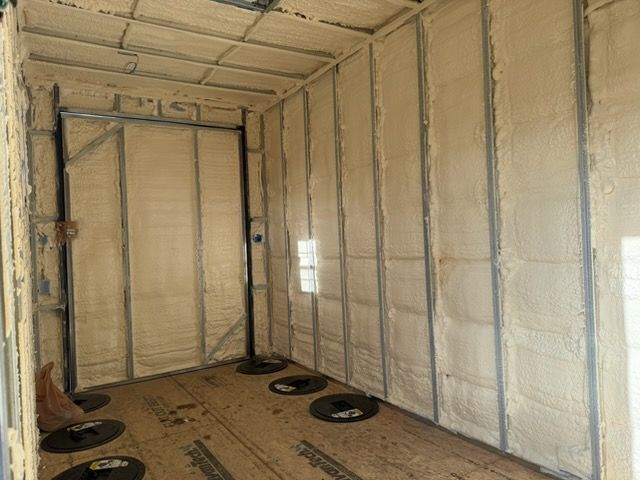
Insulating shared walls and ceilings between garages and living spaces helps prevent temperature fluctuations and reduces the transfer of fumes or outdoor air.
Rim Joists and Hard-to-Reach Areas
Rim joists are notorious for air leakage because of their complex geometry. Spray foam’s ability to expand into tight corners makes it ideal for sealing these problem spots effectively.
Performance in Montana’s Climate
Helena, MT & surrounding areas experiences cold winters, warm summers, and significant daily temperature variation. Traditional insulation systems often struggle to maintain consistent performance under these conditions because they allow air movement through or around the material. Spray foam addresses this issue by creating a continuous thermal envelope.
During winter, the insulation helps retain interior heat while blocking cold air infiltration. In summer, it reduces heat gain from the roof and exterior walls, keeping indoor spaces cooler. This thermal stability can contribute to more predictable indoor temperatures across different rooms of the home.
Moisture control is also important in regions with snow accumulation and seasonal thaw cycles. Closed-cell spray foam resists water absorption and can help protect structural components from condensation-related damage.
Installation Process for Residential Projects
Professional installation ensures proper expansion, adhesion, and curing. The process typically begins with an assessment of the home to determine insulation needs, existing conditions, and ventilation considerations. Surfaces must be clean and dry before application to ensure optimal bonding.
Technicians use specialized equipment to mix and spray the foam at controlled temperatures and pressures. As the material expands, it fills cavities and adheres to surfaces without sagging or settling over time. After curing, excess foam may be trimmed flush with framing members to prepare for drywall or other finishes.
Proper installation also involves attention to building codes and ventilation requirements. In some cases, additional measures may be needed to balance air exchange within a tightly sealed home.

Long-Term Impact on Home Efficiency and Comfort
Once installed, spray foam insulation remains stable for decades without shifting, compressing, or deteriorating under normal conditions. Its air-sealing capability can reduce drafts, cold spots, and uneven temperatures between floors or rooms. Homes often experience quieter interiors as well, since the foam dampens airborne sound transmission.
Because the insulation functions as both a thermal barrier and air seal, it helps HVAC systems operate more efficiently by reducing the workload required to maintain desired temperatures. This can contribute to more consistent indoor humidity levels and improved overall comfort throughout the year.
Spray Smart Insulation provides residential spray foam insulation in Helena, MT & surrounding areas with solutions tailored to local building needs, whether for new construction or existing homes. By creating a durable, airtight envelope, spray foam supports long-term structural performance while enhancing everyday living conditions.